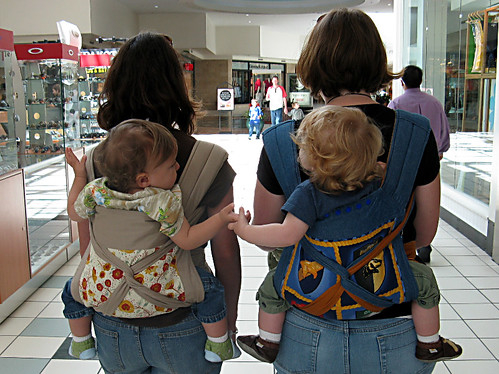
Carrying your baby close to your body is one of the most ancient and natural practices in the world. Beyond the convenience of having your hands free, babywearing fosters a deep bond and provides security to the newborn. However, to ensure it is beneficial for both the baby’s development and the adult’s comfort, it must be done safely and ergonomically.
Why is Ergonomic Babywearing Important?
Safe babywearing is not just about carrying the baby; it is about respecting their natural anatomy. A good baby carrier should adapt to the baby, not the other way around.
🧠 Emotional and Physiological Benefits
-
Regulates temperature and heart rate: Physical contact helps the baby stabilise their vital signs.
-
Reduces crying: Babies who are carried tend to cry less as they feel secure and protected.
-
Prevents infant colic: The upright position and tummy-to-tummy contact aid digestion.
-
Healthy hip development: Proper positioning prevents hip dysplasia.
The Golden Rules of Safe Babywearing
To ensure your baby is safe and comfortable, always remember the T.I.C.K.S. rule (a standard in the UK) and the ergonomic position:
🐸 The “M” Position (Frog Position)
The baby’s knees should be higher than their bottom, forming an “M”. This ensures the hip joint is seated correctly and the weight does not hang from the crotch.
🌙 The “C” Curve (Spine)
The baby’s back should maintain its natural curve, similar to a “C”, without being forced into a straight position.
🌬️ Clear Airways
-
Tight: The carrier should be tight enough to hug your baby close.
-
In view at all times: You should be able to see your baby’s face just by looking down.
-
Close enough to kiss: Your baby’s head should be as close to your chin as is comfortable.
-
Keep chin off chest: There should always be a space of at least one finger’s width under your baby’s chin.
-
Supported back: Their back should be supported in a natural position.
Types of Carriers: Which one to choose?
There is no “best” carrier, only the one that best fits your needs:
-
Elastic Wraps: Ideal for newborns due to their softness and “second skin” feel.
-
Ring Slings: Perfect for quick trips and breastfeeding on the go.
-
Mei Tais: A hybrid between a wrap and a structured carrier, very versatile.
-
Ergonomic Backpacks: Quick and easy to put on, ideal for older babies and longer walks.
When to Consult a Professional?
If you feel back pain, if the baby seems uncomfortable, or if you are unsure how to adjust your carrier, a Babywearing Consultant or a Paediatric Physiotherapist can help you find the perfect fit.
Conclusion
Babywearing is a wonderful experience that simplifies daily life while providing the best environment for your baby: your warmth. By following these safety guidelines, you can enjoy all the benefits of keeping your little one close, knowing their physical and emotional development is well supported.