Foot Support Abnormalities
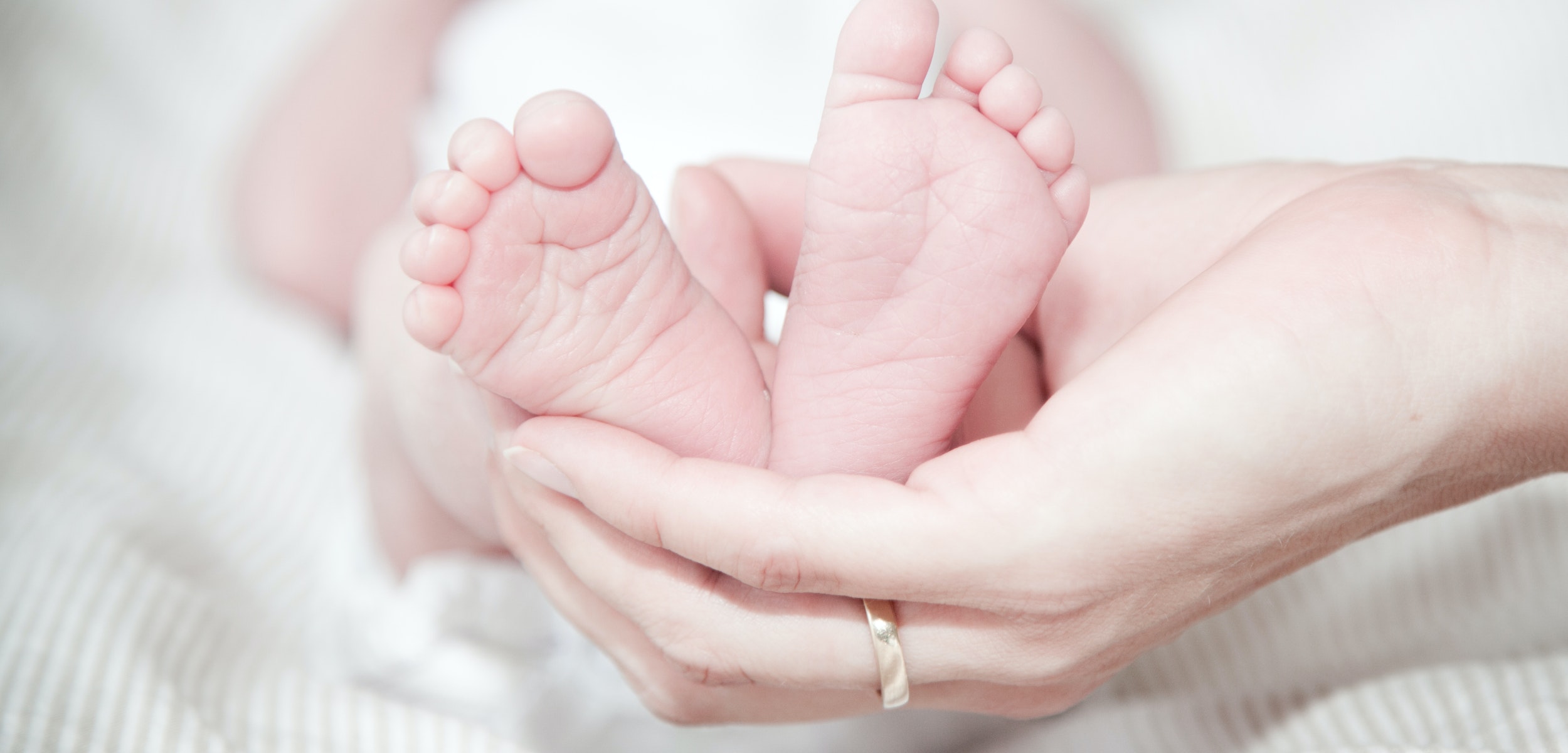
Among these, the most commonly known is flatfoot. Other foot support abnormalities include cavus foot and equinus foot.
Flatfoot has traditionally been corrected using orthopedic insoles, which can be uncomfortable for children and make it difficult to find suitable footwear. Currently, there is increasing emphasis on strengthening the weak foot muscles that lead to the collapse of the plantar arch. To do this, it is important for a physiotherapist to evaluate the foot’s musculature, determine the appropriate exercises for the affected muscles, and monitor progress, adjusting the exercises as necessary.
One way to help prevent flatfoot is to encourage the baby to walk barefoot on soft surfaces (such as the beach or grass), thereby strengthening the foot muscles from the time they first learn to walk and improving their balance and proprioception. Selecting the right footwear is also very important, as not all shoes provide the baby’s foot with the stability and flexibility it needs. If the child still develops flatfoot, evaluation by both a doctor and a physiotherapist is essential for proper treatment.